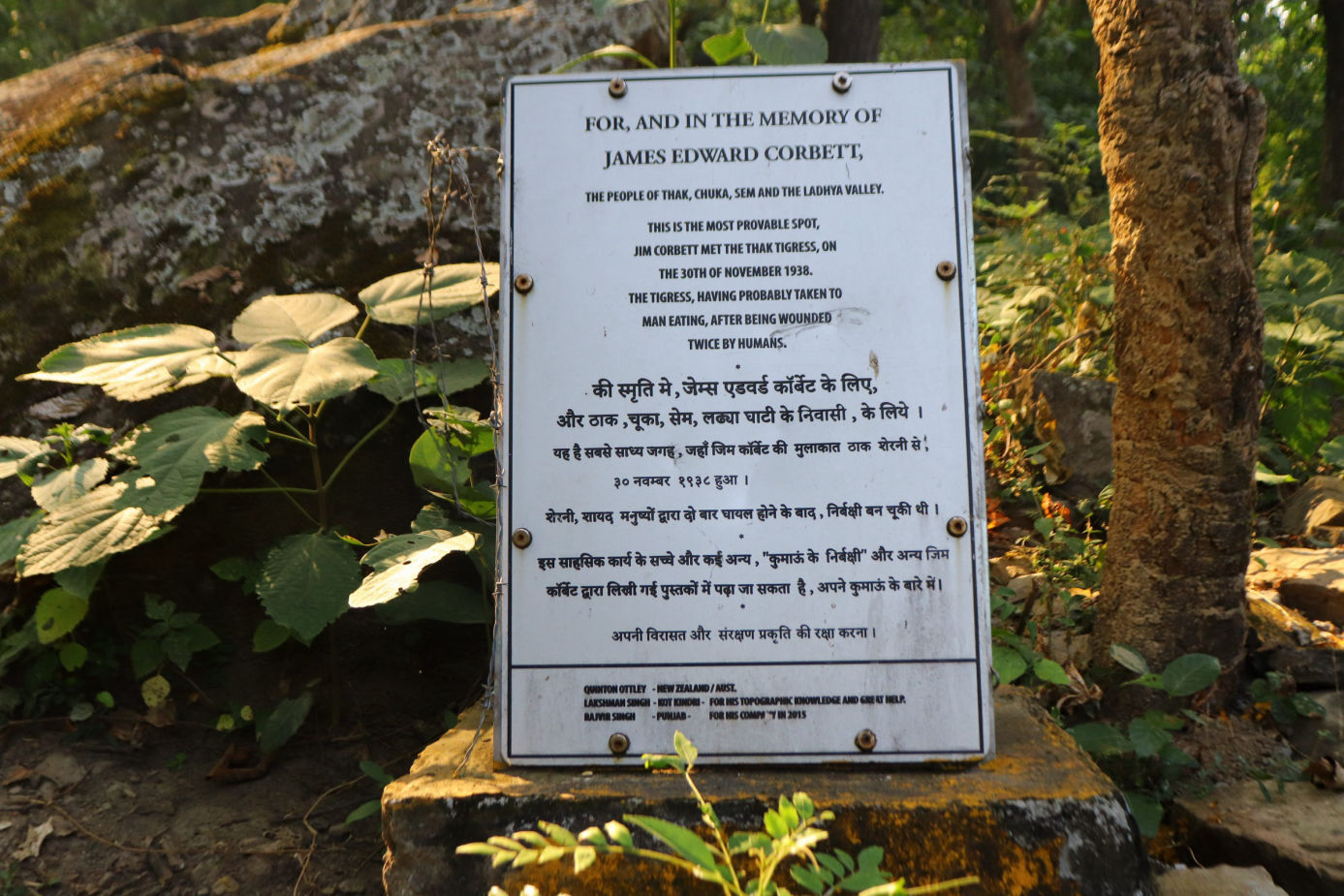
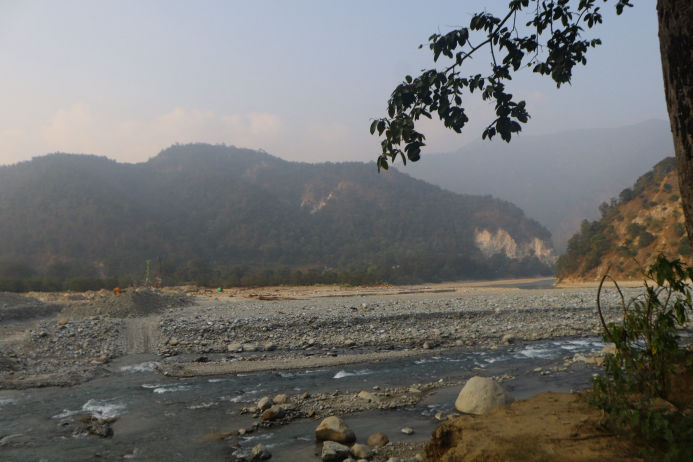
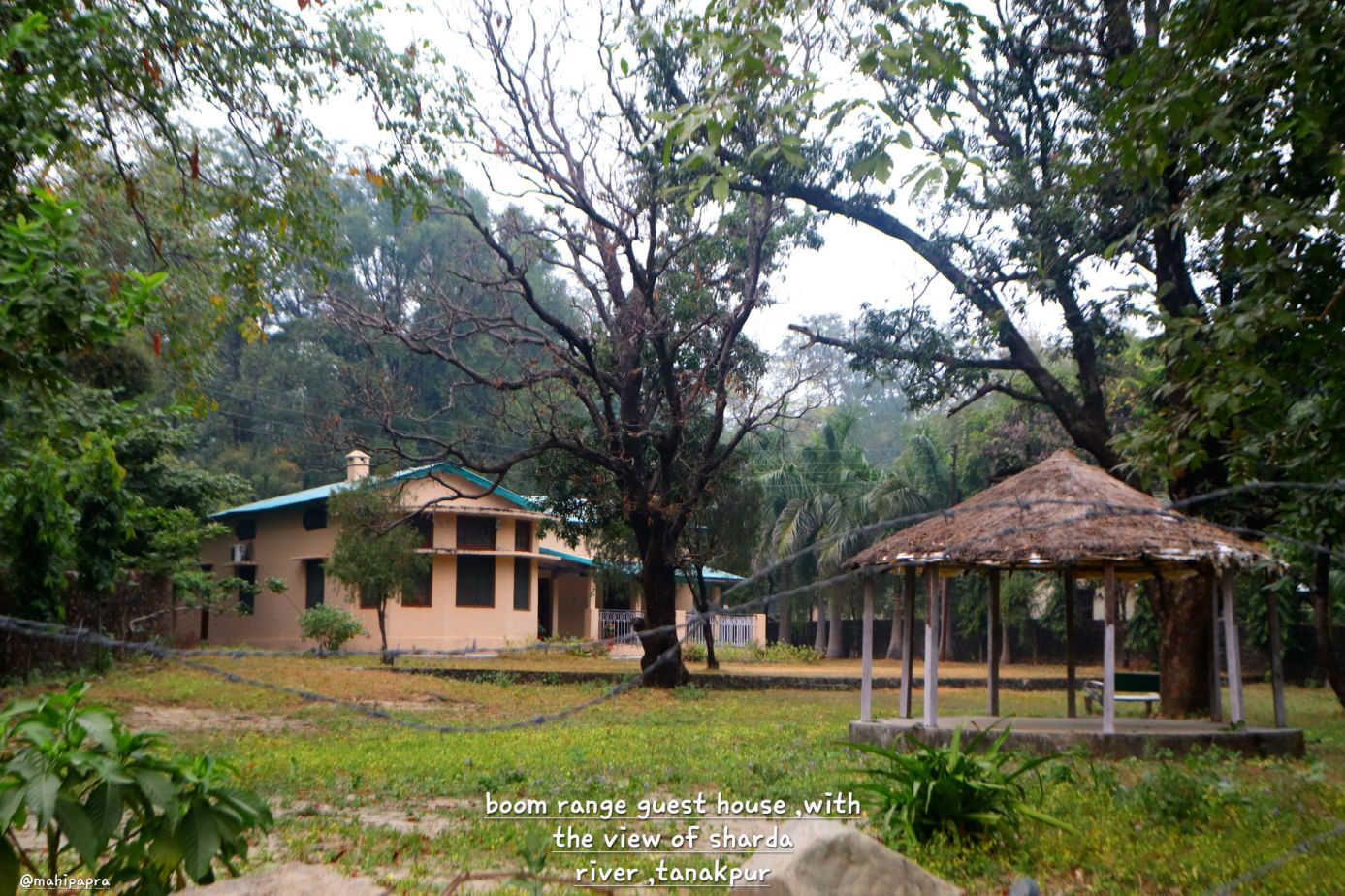
The Champawat Trail takes you through the legendary paths where Jim Corbett famously tracked and hunted the man-eater of Champawat. The short yet immersive 0.5 km trail offers an intimate journey through dense forests and historical landmarks. This trail is perfect for nature enthusiasts and history buffs alike, providing a glimpse into Corbett's conservation legacy.
Duration
Distance
Category
Strating Point
Area covers
Route
The Champawat trail holds historical significance as it traces the story of the infamous Champawat tigress, responsible for 436 human deaths, a record noted in the Guinness World Records. It highlights key locations like Phungar's Old Dak Bungalow, the Gandak Gorge, and the amphitheater where the tigress was killed in 1907. The trail offers a unique blend of history and adventure, allowing visitors to explore the jungles and paths once traversed by the legendary hunter, Jim Corbett.
🧐
* Trekking in forests requires physical endurance; choose a trek that matches your fitness level and experience.
* Plan and prepare adequately to make the trek enjoyable and safe.
* Research the destination and be aware of local weather conditions.
* Follow the rules of the trek.
* Wear appropriate clothing and comfortable trekking shoes.
* Carry essentials like water, snacks, a jacket, and personal medication.
* Pay attention to the trek leader/guide’s instructions.
* Stay with the group and avoid shortcuts, as they can be dangerous.
* Listen to your body and take breaks when needed.
* Be cautious when taking selfies.
* Do not bathe in forest streams or waterfalls for safety reasons.
🤔
* Blend in with nature by wearing neutral colors, avoiding strong scents, and keeping noise to a minimum to watch wildlife without disturbing them.
* Observe the signs of the animal world and enjoy nature responsibly.
* Avoid picking wild plants or flowers to preserve the ecosystem.
* Respect wildlife; do not approach or feed wild animals to ensure safety for yourself and the group.
* Be a responsible trekker by leaving no trash behind and maintaining the pristine environment.

Explore the Wild, Relive the Legacy.
Address:
Divisional Forest Officer
Champawat Forest Division, Champawat
Khark Karki, Champawat, Uttarakhand 262523
Contact:
+91 9893144234
info@jimcorbetttrails.com